Unlock the secrets to successful pressure washing with our comprehensive guide on ‘Pressure Washing Dos and Don’ts.’ From choosing the right equipment to understanding the importance of safety, we will walk you through the essential steps to achieve optimal results while avoiding common mistakes. Whether you’re a seasoned pro or a first-timer, these insights will guide you towards a clean and spotless exterior.
Understand the Basics of Pressure Washing
Delving into the realm of pressure washing, you’ll discover it’s more than just a powerful spray of water. Also known as power washing, this cleaning technique utilizes a high-pressure water stream to blast away accumulated dirt, grime, mold, peeling paint, and other unwanted surface materials. While it might come across as a straightforward process, ensuring the appropriate application is key to prevent any unintended damage to your property. Grasping the core principles of pressure washing is your initial step towards mastering this cleaning method and achieving a beautifully clean exterior.

Choosing the Right Pressure Washer
Picking an appropriate pressure washer hinges on the dimensions and nature of the surface you aim to cleanse. If your target is a smaller surface like a compact deck or patio furniture, an electric pressure washer with a PSI (Pounds per Square Inch) measurement from 1300 to 1900 should suffice. However, if you’re dealing with expansive areas such as driveways or house siding, a gas-powered pressure washer boasting a PSI of 2000 to 3000 would be more suitable. One common error is opting for a highly powerful washer for a surface that requires a gentler approach, leading to potential damage. Thus, understanding the strength and capacity of different washers can help prevent unnecessary wear and tear on your property.
Selecting the Proper Nozzle
The appropriate selection of the pressure washer’s nozzle is crucial as it controls the angle and intensity of the water stream, thereby impacting the overall effectiveness of your cleaning. Nozzles are categorized based on their spray angle which varies from 0° to 40°. A 0° nozzle emits the most concentrated stream, making it the most potent, while a 40° nozzle provides a softer, wider angle spray.
When it comes to delicate surfaces, a wider angle nozzle is your best bet as it disperses the water pressure over a larger area, reducing the risk of damage. Conversely, if you’re faced with tenacious dirt or grime that requires a bit more elbow grease, a narrow-angle nozzle will offer the extra force needed for these tougher cleaning tasks.
The Art of Choosing Pressure Wisely in Pressure Washing
While the temptation may be to opt for the highest power nozzle to expedite the cleaning process, it’s vital to recognize that a higher power nozzle isn’t always the best solution. Instead, taking the time to correctly match the nozzle to the task at hand will not only optimize your cleaning results but also minimize the risk of inflicting damage to your property. For instance, using a high-pressure nozzle on soft or fragile surfaces can cause irreversible harm.
Choosing the right nozzle for your pressure washing needs is an art form in itself and is a key element in mastering this cleaning technique. Just remember, the nozzle you choose can make all the difference in your pressure washing experience and outcomes.

Understanding the Importance of Detergents
When it comes to boosting the cleaning power of pressure washing, the use of detergents can be a game changer, particularly in dealing with stubborn grease or persistent mold. It’s crucial, however, to choose a detergent that is not only formulated for pressure washer use but is also compatible with the surface you intend to clean.
Inject the detergent at a lower pressure setting, giving it ample time to effectively break down the grime or dirt before you proceed with a high-pressure rinse. Avoid the use of harsh chemicals such as bleach, as it can inflict harm on your pressure washer components and pose a risk to surrounding plant life. The incorporation of detergents into your pressure washing routine, when done appropriately, can significantly enhance your cleaning outcomes, leading to a sparkling clean and grime-free surface.
Proper Pressure Washing Techniques
To achieve the best cleaning outcomes with pressure washing, it is crucial to utilize the correct washing techniques. Start the washing process from the bottom of the surface and gradually move upwards. This bottom-to-top approach ensures an even distribution of water and detergent. When it comes to rinsing, invert the process – begin from the top and work your way down. This method prevents the dirt from streaking and from being re-deposited onto already cleaned areas.
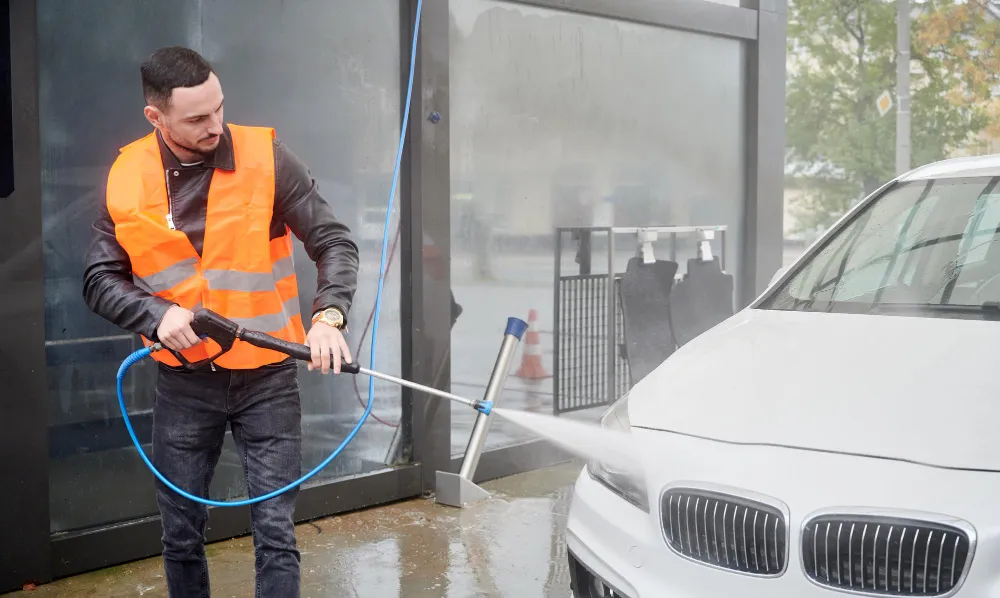
Hold your pressure washer nozzle at a 45° angle to the surface that’s being cleaned. This angle is optimal for most cleaning tasks as it provides a balanced mix of cleaning power and surface protection. To avoid causing any inadvertent damage, always maintain a steady distance between the nozzle and the surface.

Safeguarding Vulnerable Areas during Pressure Washing
While pressure washing, it’s essential to avoid directing the water stream directly into corners, beneath the laps of siding, or onto window frames. These areas are usually not watertight and can be susceptible to water damage. Instead, aim your spray at a direction that prevents water from being forced into these vulnerable spots. Always remember that the ultimate goal of pressure washing is not just to clean the surface but also to preserve the integrity of the area being cleaned.
Safety Precautions When Pressure Washing
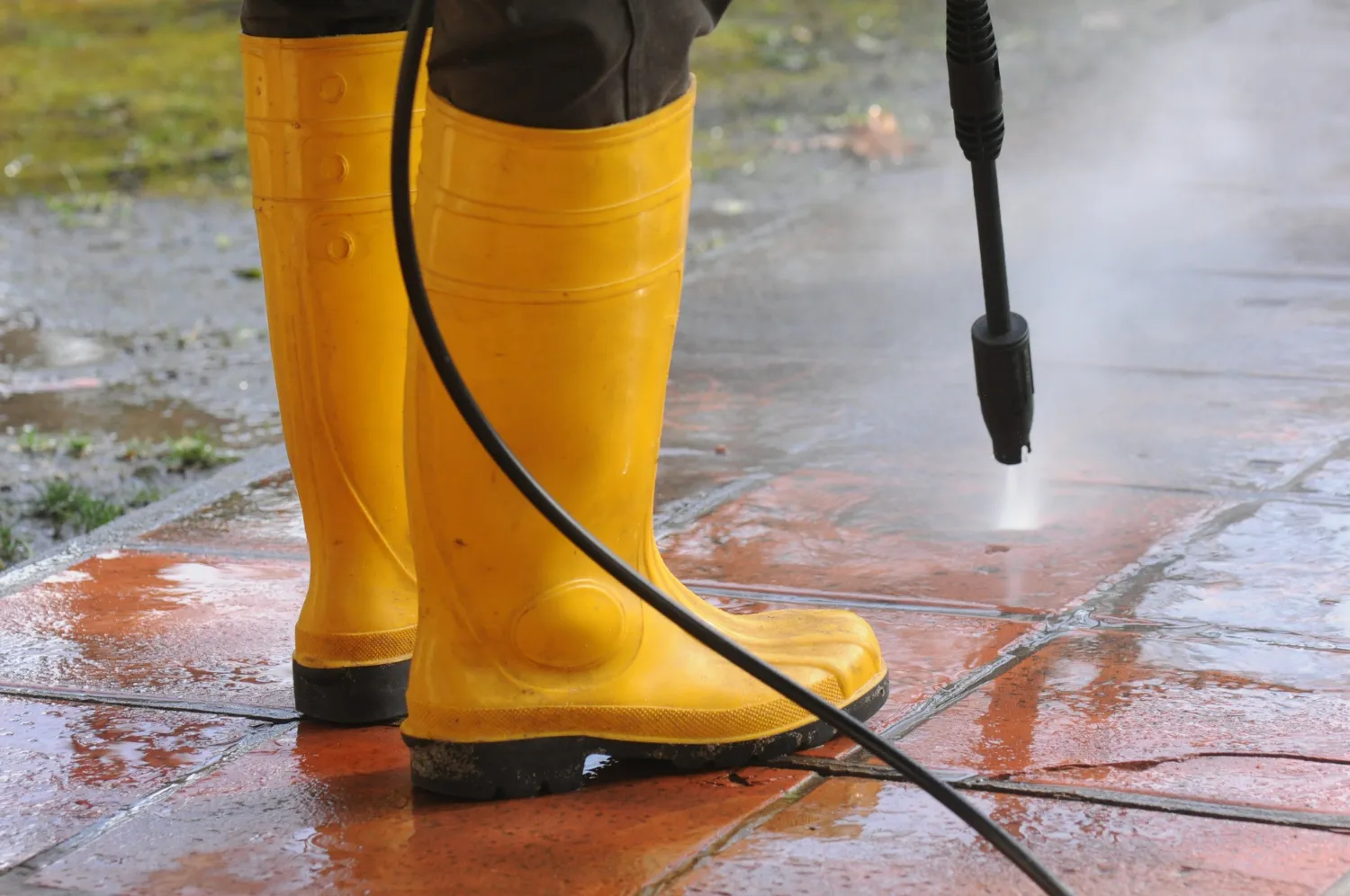
Engaging in pressure washing involves certain risks and, as such, it’s crucial to prioritize safety. Begin by donning appropriate personal protective equipment. This includes safety glasses to guard your eyes from flying debris, gloves to protect your hands, and robust footwear to prevent slip hazards.
The high-pressure water stream from a pressure washer is extremely powerful and should never be directed towards individuals, pets, or electrical appliances. Such mishaps could lead to serious injuries or damage.
The power behind the washer’s water spray may also produce a significant kickback force. This unexpected recoil could throw you off balance if you’re not prepared for it. As a safety precaution, ensure that you firmly grasp the washer handle at all times during operation.

Safeguarding Against Water Intrusion in Pressure Washing
Beyond personal safety, it’s equally important to take preventive measures to protect your property. Pressure washing can potentially lead to water intrusion, particularly in areas that are not designed to withstand high-pressure water exposure. As such, avoid aiming the washer nozzle into corners, beneath the laps of siding, or at window frames.
While it’s crucial to be mindful of these safety precautions, also remember that pressure washing should not be a rushed job. Take your time, and don’t rush the process, as hasty maneuvers can often lead to accidents.
In cases where pressure washing tasks involve potential hazards such as working from heights, dealing with lead-based paints, or using highly corrosive cleaning agents, it might be prudent to engage professional services. Trained professionals have the knowledge and equipment to navigate these challenges safely and efficiently.
By adhering to these safety precautions, you can ensure a safe and productive pressure washing experience while effectively maintaining the cleanliness and integrity of your property.
Understanding When to Hire a Professional
The allure of a do-it-yourself pressure washing can often be the potential cost savings. However, it’s critical to understand when it’s more beneficial, and indeed safer, to rely on the expertise of a professional pressure washing service. Certain situations necessitate the knowledge and equipment only professionals can provide.
For instance, if the cleaning project involves reaching high or difficult-to-access areas, it’s wise to bring in the experts. Operating a pressure washer while balancing on a ladder can be precarious, increasing the risk of falls or accidents. Professionals are equipped with the right tools and have the necessary training to handle such heights safely and efficiently.
Similarly, if your property has layers of lead-based paint, a professional service is indispensable. Disturbing lead-based paint without proper precautions can have serious health implications. Professionals are trained to handle such materials responsibly, minimizing the risk of lead exposure.

Navigating Harsh Cleaners in Professional Pressure Washing
Furthermore, certain stubborn stains or grime may require the use of harsh, caustic cleaners. While these substances can be effective, they also pose significant risks to both health and property if used incorrectly. Professional pressure washers have the expertise to safely use these cleaners, ensuring effective results without compromising safety.
So, while embarking on a DIY pressure washing project can seem appealing, remember to assess the task at hand thoroughly. If it involves any of these high-risk factors, it would be in your best interest to engage professional services. They not only ensure the job is done well, but also prioritize safety, leaving you with peace of mind and a beautifully clean exterior.