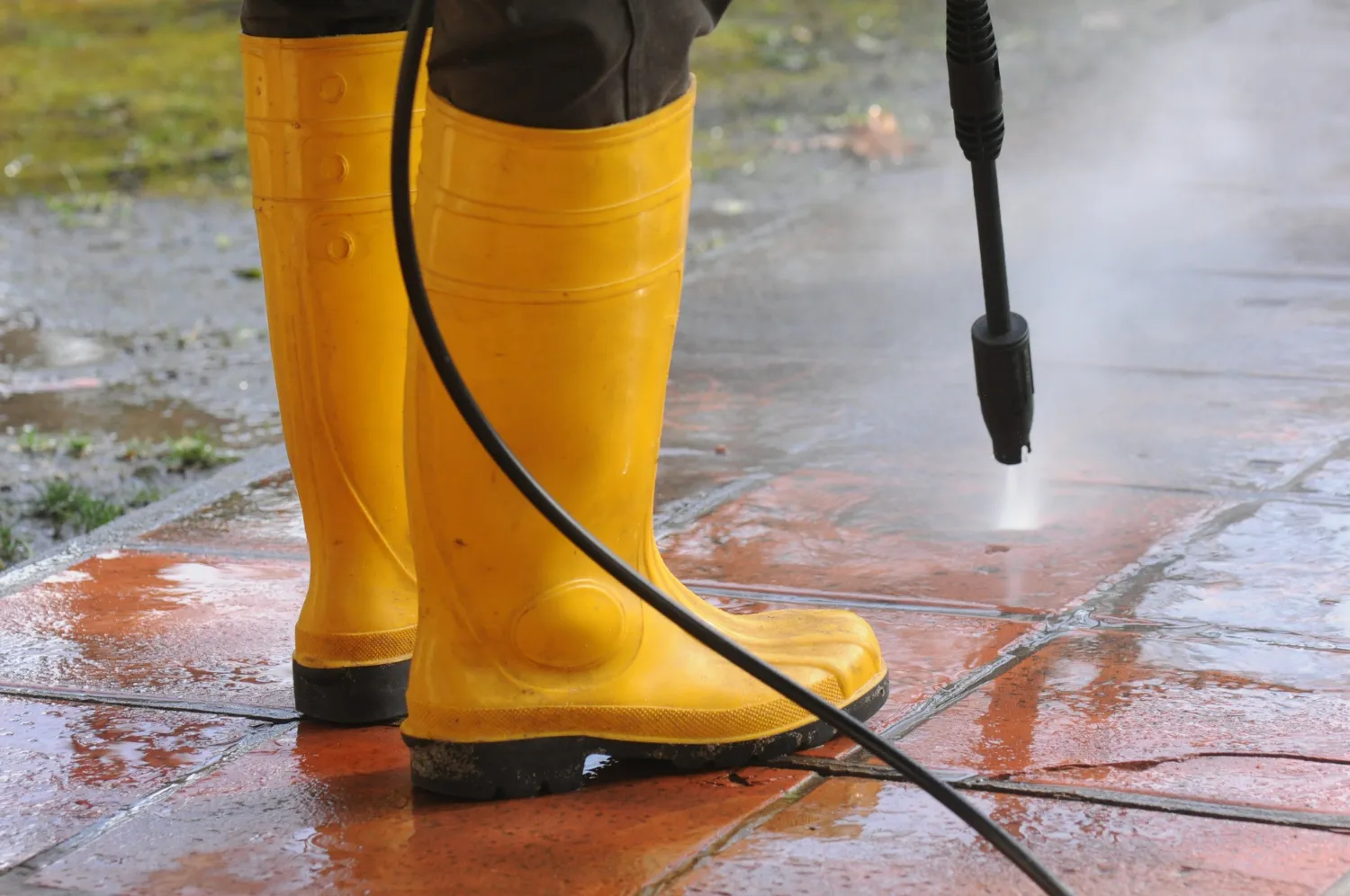
Welcome to the world of Eco-Friendly Pressure Washing, a realm where cleanliness and environmental responsibility beautifully coalesce. This guide explores the convergence of effective cleaning and environmental mindfulness, presenting practical ways to achieve outstanding results while minimizing ecological impact.
The Need for Eco-Friendly Pressure Washing
The practice of pressure washing is recognized for its effectiveness in thoroughly cleaning surfaces. However, it often utilizes high-pressure water streams mixed with powerful cleaning chemicals. While this combination proves efficient, it has potential downsides, especially regarding the environment. The wastewater from traditional pressure washing processes frequently contains pollutants like oils, residual detergents, and loose dirt. When improperly managed, this wastewater can infiltrate the soil and end up in nearby water bodies, posing threats to local ecosystems.

Eco-Friendly Pressure Washing for a Healthier Planet
The risk of contributing to environmental contamination raises a pressing need for eco-friendly pressure washing methods. By making the switch to environmentally-conscious practices, we can significantly reduce the ecological footprint of our cleaning processes. Through eco-friendly pressure washing, we are not just removing grime and dirt but also ensuring that the pursuit of cleanliness doesn’t come at the expense of our planet’s health.
The Social Responsibility of Eco-Friendly Pressure Washing Methods
The transition to eco-friendly pressure washing methods isn’t just beneficial for the environment, it also reflects social responsibility. Businesses and individuals who adopt these methods display a commitment to sustainable practices, contributing to a broader movement of environmental stewardship.
In essence, the need for eco-friendly pressure washing stems from a growing consciousness about our impact on the environment and the desire to reduce harm. It’s about embracing cleaning methods that are not only effective but also mindful of the planet. By prioritizing eco-friendly pressure washing, we are making a conscious choice to protect our environment while still achieving exceptional cleaning results.

Understanding Eco-Friendly Pressure Washing Methods
The two main aspects of eco-friendly pressure washing focus on the efficient use of water and the selection of cleaning solutions. First and foremost, the method aims to conserve water by using it more efficiently and controlling the disposal of wastewater. Secondly, it promotes the use of green cleaning solutions, which are alternatives to traditional cleaning agents that are usually harsh to the environment.
In terms of water usage, the goal is to minimize the quantity used during the cleaning process and to manage wastewater in a responsible way. This means controlling the flow of used water to prevent it from contaminating the soil and nearby water bodies.
Biodegradable Solutions in Eco-Friendly Pressure Washing
On the other hand, the cleaning solutions used in eco-friendly pressure washing are typically formulated to be biodegradable and non-toxic. These alternatives to standard cleaning agents are designed to minimize environmental harm. Unlike traditional cleaners, these eco-friendly options can degrade naturally over time, thereby reducing the potential of harmful chemical residues entering our soil and waterways.
These changes may appear small and insignificant on the surface. However, when applied consistently and widely, they can have a substantial positive impact on the environment. By understanding and adopting these eco-friendly pressure washing methods, we take a significant step towards cleaner and more sustainable practices.

The Power of Hot Water Pressure Washing
Hot water pressure washing emerges as a noteworthy environmentally conscious method. This technique employs the combined forces of heat and high pressure to effectively tackle stubborn dirt, grease, and grime. It reduces the dependency on strong chemical cleaners that often accompany pressure washing processes. The added benefit is the sanitizing power of hot water. Known to neutralize a host of bacteria, viruses, and fungi, hot water serves a dual purpose – cleansing and sanitizing, a winning combination.
The method uses less water than traditional pressure washing, making it an excellent choice for conserving this valuable resource. Moreover, the heated water evaporates quickly, reducing the amount of wastewater produced. This, in turn, lessens the risk of soil and water contamination. The potency of hot water pressure washing reinforces the idea that eco-friendly methods can deliver exceptional results without compromising environmental safety.
Eco-Friendly Cleaning Solutions for Pressure Washing
The landscape of cleaning solutions is steadily evolving, with a variety of eco-conscious products now available specifically designed for pressure washing applications. These cleaning agents, often derived from plant-based sources, offer a less harmful impact on the environment compared to traditional cleaning chemicals. The composition of these solutions is typically non-toxic and biodegradable, lessening their potential to cause harm if they inadvertently enter soil or water systems.
Such eco-friendly cleaners are designed with a unique ability to decompose naturally over time. This ability significantly minimizes the risk of persistent chemical residues that may otherwise pose a threat to our soil and water bodies. Their formula is often tough on dirt, grime, and grease, while being gentle to the surrounding environment, giving you the peace of mind to clean effectively without worrying about the environmental implications.

Boosting Effectiveness in Eco-Friendly Pressure Washing
Remember, the effectiveness of these solutions can be enhanced when used in combination with other eco-friendly practices, such as hot water pressure washing and efficient wastewater management. While the latter practices focus on the optimal use of water, integrating eco-friendly cleaning solutions brings an added layer of environmental safety, fortifying our commitment to green cleaning.
In essence, eco-friendly cleaning solutions for pressure washing are not just about swapping traditional cleaners for green alternatives. It is about adopting a comprehensive approach towards cleaning – an approach that effectively tackles grime and dirt while causing minimal environmental disturbance. By making the switch to these green cleaners, we are bolstering our efforts in championing sustainable practices, fostering a healthier planet for generations to come.
Pressure Washer Wastewater Management
A critical aspect of eco-friendly pressure washing revolves around the proper handling of wastewater. The standard washing process typically generates a substantial amount of water laced with residual detergents, grime, and oils. If not properly treated and disposed of, this contaminated water can harm our local ecosystems. Therefore, the management and recycling of this wastewater are vital in maintaining the sustainability of our cleaning practices.
Wastewater Recovery Systems for Sustainable Pressure Washing
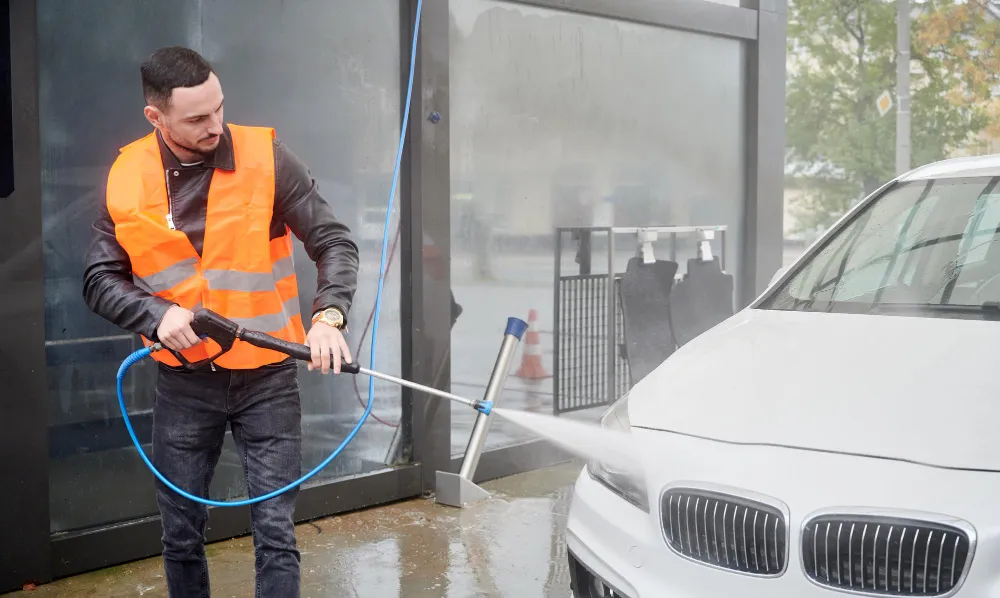
One practical solution is the adoption of wastewater recovery systems, specifically designed for pressure washing processes. These innovative systems are capable of capturing used water immediately after the cleaning process. Once collected, the wastewater undergoes a filtration process that removes contaminants and residual cleaning agents, rendering it safe for disposal or reuse.
In certain advanced recovery systems, the treated water is recycled back into the pressure washer. This not only minimizes the water footprint of the cleaning operation but also conserves a significant amount of this invaluable resource. By recycling water in this manner, we can ensure that our pressure washing activities remain within the realm of sustainability.
Alternatives in Wastewater Management for Pressure Washing
However, it’s important to note that not all pressure washing jobs may allow for the use of recovery systems due to various practical constraints. In such instances, other responsible practices, such as blocking off storm drains during cleaning and disposing of wastewater at approved treatment facilities, can be pursued.
In the grand scheme of things, effective wastewater management in pressure washing is about embracing practices that reduce our environmental impact while preserving the efficiency of our cleaning processes. When implemented properly, these practices have the power to transform pressure washing into a truly eco-friendly and sustainable activity.
Tips for Responsible Pressure Washing
Being mindful of the environmental impact during your pressure washing process is key to truly embracing eco-friendly cleaning. It starts with simple steps, like steering clear of storm drains while pressure washing to avoid letting untreated wastewater enter local water bodies directly. This is particularly critical in urban areas where storm drains often lead directly to rivers or lakes.
The Importance of Surface Clearing in Eco-Friendly Pressure Washing
Also, before initiating your pressure washing task, ensure to clear away visible dirt, leaves, and debris from the surface to be cleaned. This can significantly reduce the amount of solid waste in the wastewater, making it easier to treat and safer for the environment. This practice also improves the efficiency of your washing process as you begin with a relatively cleaner surface.
The selection of pressure washer nozzles also plays a role in responsible washing. Opt for nozzles that have wider spray patterns and lower pressure ratings for general cleaning jobs. Higher pressure nozzles are best reserved for stubborn stains and grime. This way, you not only protect your surfaces from potential damage caused by high pressure, but you also limit water usage, promoting conservation.

Responsible Pressure Washing with Considerate Timing
Lastly, timing your pressure washing activities appropriately can also contribute to a more responsible process. For instance, avoid washing in windy conditions as the wind can carry the wastewater further, increasing the risk of contamination. It’s also advisable to wash during daylight hours to ensure you have clear visibility of the cleaning area, minimizing chances of wastewater runoff into unwanted areas.
In essence, these practical tips for responsible pressure washing underline the significance of careful planning and conscious decision-making in our cleaning processes. By adopting these practices, we can ensure our cleaning routines align well with our commitment to environmental stewardship.
Embracing the Green Cleaning Movement
Making the switch to eco-friendly pressure washing is a significant step towards joining a broader, global initiative: the green cleaning movement. This movement is centered around the use of methods and products that have a minimal impact on both human health and the environment. As we opt for sustainable cleaning practices, we become active participants in this movement, contributing to the well-being of our planet.
Harmony in Cleaning
Eco-friendly pressure washing is a testament to how environmental responsibility can be integrated into our everyday tasks. It embodies the principles of green cleaning, balancing effectiveness with ecological mindfulness. As businesses and households, we have a critical role to play in this process. Each time we choose to clean responsibly, we set a positive example, inspiring others to follow suit.
But this goes beyond just setting an example. Each green cleaning action we undertake has a real and measurable impact on our planet’s health. Through reduced water usage, minimized chemical waste, and efficient waste management, we contribute to lessening pollution and conserving valuable resources.

The Collective Power of Green Cleaning Advocacy
However, it’s important to remember that the green cleaning movement is not just about individual actions. It also encompasses advocating for sustainable practices in our communities and pushing for environmentally friendly policies in our workplaces. It’s about spreading the message of green cleaning and raising awareness about its benefits – from improving air and water quality to protecting biodiversity.
In essence, the green cleaning movement is a call to action for all of us. As we embrace eco-friendly pressure washing and other green cleaning practices, we actively participate in a collective effort to preserve our planet. By joining this movement, we are not just cleaning our surroundings; we are also nurturing a healthier and more sustainable environment for generations to come.