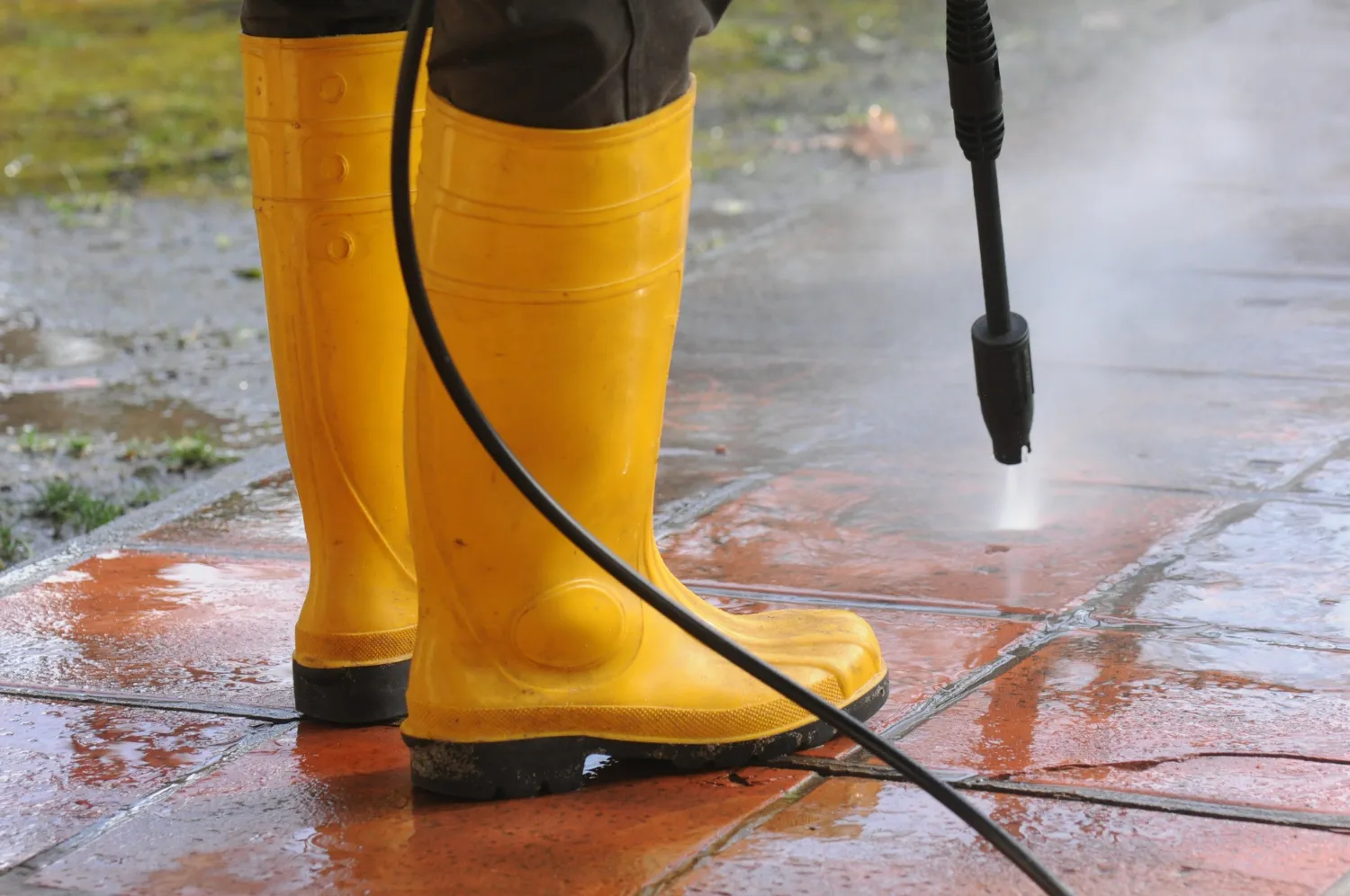
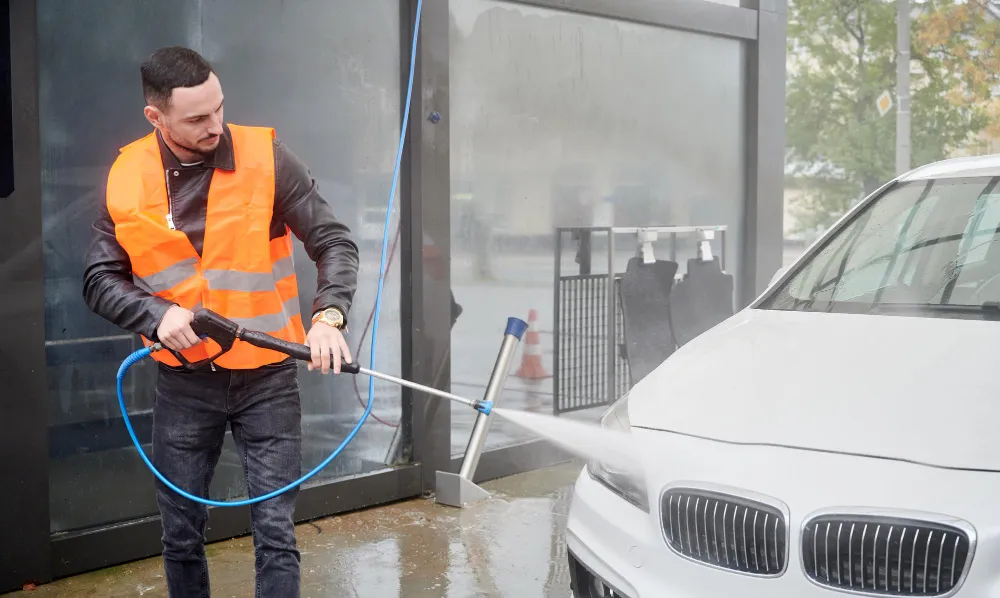
There’s nothing quite as satisfying as the transformative power of pressure washing. Whether it’s breathing new life into a grimy driveway, stripping old paint off a weather-beaten fence, or simply giving your home’s exterior a much-needed refresh, mastering the art of pressure washing can lead to impressive results. But like any tool, a pressure washer requires a certain level of understanding and respect to be used effectively and safely. This ultimate guide will serve as your comprehensive resource for everything pressure washing – from fundamentals and equipment selection to advanced techniques and safety precautions.

Understanding the Fundamentals of Pressure Washing
The essence of pressure washing lies in utilizing a forceful water spray to cleanse surfaces of stubborn grime, mold, flaking paint, and other impurities. Grasping the core mechanics can significantly elevate your cleaning results. Firstly, it’s crucial to know that it’s the pressure in the spray, not the water quantity, that provides the cleaning prowess.
Secondly, you should realize that diverse surfaces and projects may necessitate varying pressure levels and specific nozzle designs. Finally, using a pressure washer without proper knowledge can lead to unwanted surface damage or potential harm to the user. Thus, familiarizing yourself with the fundamentals of pressure washing is an integral step in mastering this cleaning method.
Selecting the Right Equipment for Pressure Washing
The type of pressure washer and accessories you choose should be directly influenced by your individual cleaning requirements. For those tackling minor tasks like washing cars or outdoor furniture, light-duty electric pressure washers are ideal. These models are typically compact, quiet, and easy to maneuver. Conversely, if you’re faced with more demanding chores like stripping paint from walls or cleaning a large deck, a heavy-duty gas-powered washer is recommended due to its high-pressure output and robust construction.
Elevating Your Pressure Washing Game with Accessories
The availability of a wide array of accessories can further enhance your cleaning potential. Surface cleaners and extension wands can help you reach difficult areas or cover a larger surface quickly and evenly. Different nozzle types can also modify the pressure and spray pattern to suit specific cleaning tasks. Being thoughtful and strategic in your equipment selection will pave the way for efficient and successful pressure washing endeavors.

Basic Techniques for Effective Pressure Washing
Getting the most out of your pressure washing experience requires not just the right equipment, but also understanding and applying the correct techniques. Start your cleaning process at a low pressure setting, slowly increasing it as necessary for more stubborn grime. Consistency is key when using a pressure washer – maintain a uniform distance between the nozzle and the cleaning surface to avoid uneven cleaning or potential damage. Spray in a downward direction to prevent water from seeping into unwanted areas, such as under the siding of a house or into any crevices.
Tailoring Techniques for Spotless Pressure Washing
Employ a sweeping motion across the surface, mimicking the movement of a broom, to distribute water evenly and reduce the likelihood of streaks. Just as each surface may require a specific pressure level, they may also need different techniques. Therefore, it is crucial to assess each cleaning task individually and adjust your technique accordingly. Be prepared to experiment and learn through the process to achieve the best results.

Safety Precautions to Consider While Pressure Washing
Operating a pressure washer requires the utmost attention to safety guidelines to prevent accidents or injuries. The forceful spray should never be directed at people, animals, or fragile materials like glass to avoid causing harm or damage. Essential personal protective equipment includes eyewear and durable clothing to shield against accidental splashes or debris. The force generated by a pressure washer can lead to instability, so avoid using it while standing on ladders.
Additionally, it’s crucial to keep in mind the potentially hazardous mix of electricity and water. Ensure that your immediate work environment is free from unnecessary electrical cords and is sufficiently dry before initiating your cleaning process. This way, you can ensure a safe and effective pressure washing experience.
Professional Tips for Enhancing Your Pressure Washing Experience
To take your pressure washing game to the next level, consider incorporating a few expert strategies. Before getting started with the pressure washer, pre-soak the surface with a specialized cleaning solution. This step assists in breaking down the dirt, grime, and other pollutants, making them easier to wash away. It’s vital to opt for detergents and chemicals specifically designed for pressure washer use to avoid causing harm to your machine. A crucial step often overlooked is the method of rinsing. To sidestep unsightly streaks, always rinse from the top down.

Pro Techniques for Optimal Pressure Washing Results
This method ensures that the water flows down naturally, carrying away dirt and detergent as it goes. Lastly, a professional approach involves a patient and measured execution of the washing process. Let the pressure washer do its job rather than rushing through the task. By not forcing it, you will allow the machine to operate at its optimal efficiency, thus yielding superior cleaning results. These pro tips, coupled with your growing pressure washing skills, will help you achieve an enhanced and effective cleaning experience.
Maintaining Your Pressure Washer for Longevity
Ensuring your pressure washer endures over time and remains efficient hinges on diligent maintenance practices. It is important to clean the nozzle thoroughly after each washing session to prevent clogs and preserve optimal pressure functionality. If any water remains in the system, it should be fully drained as residual water can freeze and damage the machine, especially in colder climates. When it comes to storing your pressure washer, select a dry and sheltered area to protect it from any potentially harmful weather conditions or accidental damage.
Regular Maintenance for Your Pressure Washer
In addition to these steps, make a habit of inspecting your pressure washer regularly for any signs of leakage or loosened connections. Promptly addressing these issues can prevent further complications and potential degradation of the unit’s performance. By investing time and effort into maintaining your pressure washer, you are not just prolonging its lifespan, but also ensuring that it continues to perform at its highest capacity, providing you with powerful and effective cleaning results consistently.

The Environmental Considerations of Pressure Washing
While pressure washing can offer exceptional cleaning results, it’s essential to also consider its impact on the environment. The water runoff from pressure washing activities can carry various pollutants, potentially posing a threat to local ecosystems. To mitigate these risks, opt for detergents and cleaning agents that are biodegradable and designed to have minimal environmental impact. These eco-friendly solutions can effectively break down grime without harming plant life or polluting waterways.
Environmental Responsibility in Pressure Washing
Moreover, it’s prudent to carry out pressure washing tasks away from storm drains and bodies of water to prevent the direct introduction of contaminants. It’s also advisable to capture and properly dispose of the waste water when feasible, especially when cleaning surfaces coated with hazardous materials like lead-based paint.
Lastly, staying informed about and adhering to local laws and regulations pertaining to water usage and waste water disposal is crucial. Complying with these rules not only protects the environment but also helps you avoid potential fines or penalties. By taking these environmentally-conscious steps, you can enjoy the benefits of pressure washing while preserving the health of our shared environment.